Case study
Giving Digital Access to Once-Hidden Civil Rights Histories
Preserving a fast-growing grassroots archive and bringing it online in under a year at The Civil Rights Institute of Inland Southern California
Credit: Michael J. Elderman

Headquaters
Riverside, California
Industry
Archive
<
year to launch a digital archive
records online
%
collections migrated into Terentia
Organization
The Civil Rights Institute of Inland Southern California
The Civil Rights Institute of Inland Southern California is a multi-functional space built around a simple but powerful idea: that civil rights history didn’t only happen elsewhere.
“We like to say that we’re a living enterprise based in history,” says Dr. Audrey Maier, Public History Director. “We’re looking at our past, so we can have a better understanding of our present, and think through, collectively, what we want the future of our region to look like.”
Through free exhibitions, programming, and a digital archive powered by Terentia, The Civil Rights Institute surfaces once unseen histories of Riverside and San Bernardino Counties. Technology has become central to that mission, offering innovative avenues for preservation and public access.
Objectives
Building a public archive of hidden civil rights history
From the very start, The Civil Rights Institute of Inland Southern California knew it would have a digital archive. “We decided even before the building was up,” says Audrey.
“Our space and the programming we offer is free and open to the public. So, we wanted to continue that with our collections as well.”
The archives grew faster than anticipated. Riverside residents began donating items months before the centre’s opening celebration in October 2022, and contributions haven’t slowed since. For each exhibition, the team runs a collecting initiative, going into the community to conduct oral history interviews and surface archives that might otherwise stay hidden.
With the physical objects and digital assets increasing, so did the gaps in ensuring their care:
No confidence in long-term preservation: Digital assets were spread across external hard drives, without failsafes against file corruption or natural disasters.
Time-consuming workflows: Processing collections meant manually managing spreadsheets, maintaining multiple backup copies, and tracking where everything lived across different drives.
Difficulty making global changes and standardizing metadata: Without a system built for cataloguing, metadata quality was hard to maintain and easy to overlook when scanning a spreadsheet row by row.
Siloed collections and digital assets: Linking object records or digital assets was impossible. Let alone managing both in one system, streamlining use for in-person and online initiatives, or acting as a searchable resource for staff and the public.
A lean team with limited capacity: Relying on interns and volunteers alongside a small full-time staff, the team didn’t have the bandwidth to learn, teach, and maintain multiple software solutions.
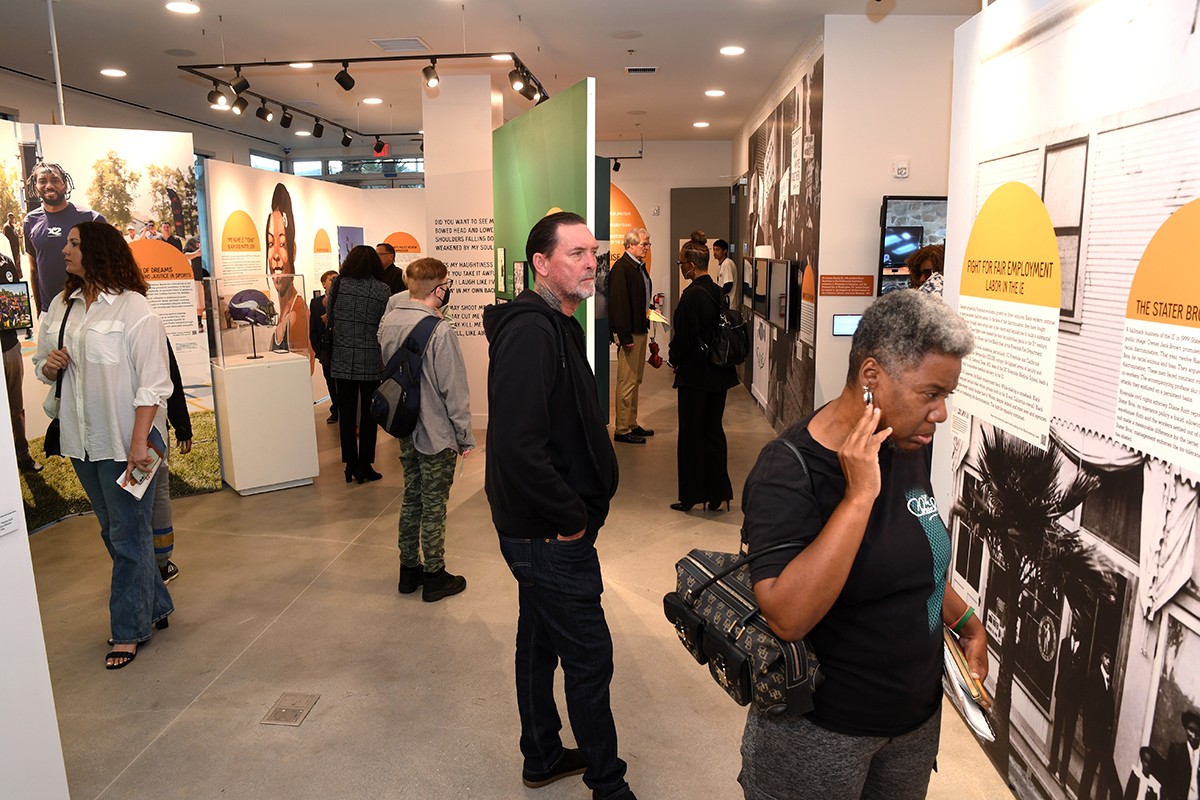
The Civil Rights Institute's inaugural exhibition Still I Rise: The Black I.E. Fight for Justice. Credit: Michael J. Elderman.
Solution
One platform for collections, digital assets, and an online archive
When Audrey discovered Terentia at a conference, she saw a single platform that could accomplish what a stack of separate tools couldn’t.
Unifying digital asset management, collections management, and online collections, it was the solution her team needed. “Terentia could ensure our digital collections were safe, while also streamlining our processes and fulfilling our mandate to make the archive publicly available online,” she says.
Implementation began in January 2025—and less than a year later, their long-awaited Digital Archive went live that November.
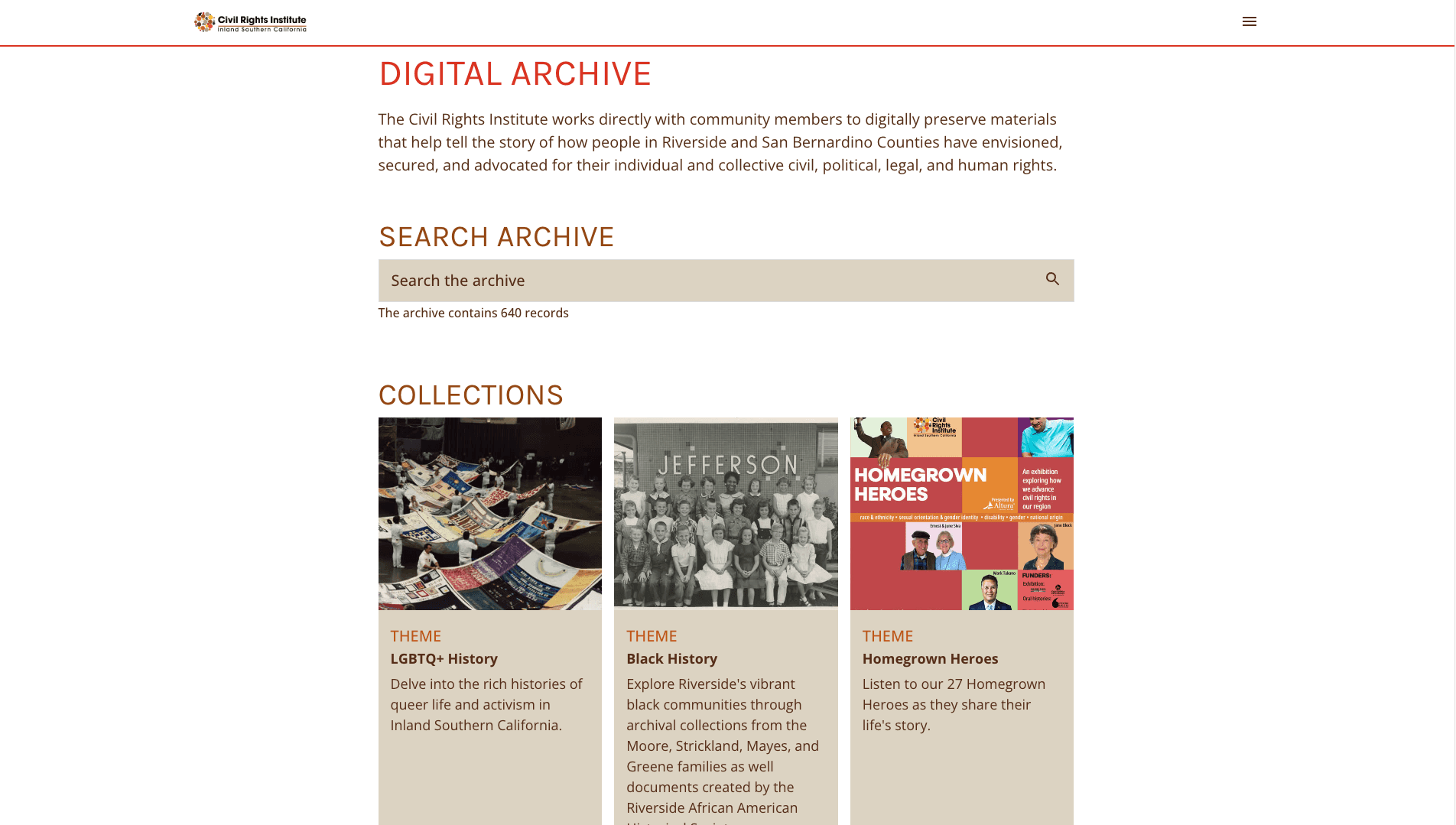
The Civil Rights Institute's Digital Archive, a searchable online portal of 640 records built with Terentia.
Configured to how the team works
Rather than overhauling The Civil Rights Institute’s existing processes, Terentia configured the data architecture around them.
The metadata fields changed little from the original Dublin Core spreadsheets. “There were some things that were new, but added in the service of making our lives easier,” Audrey explains.
Easy to train temporary staff
With a rotating crew of interns and volunteers to onboard, a low learning curve was essential. Terentia’s user-friendly interface delivered just that.
Since many underlying fields had stayed consistent, much of Audrey’s previous training documentation was still useful: “I didn’t even have to do a complete retraining,” she says.
A public portal into the archives
The Digital Archive is built with Terentia’s Collections Online module, pulling digital assets and metadata directly from the DAMS. The result is a searchable, public-facing collection that fulfills The Civil Rights Institute’s founding mandate.
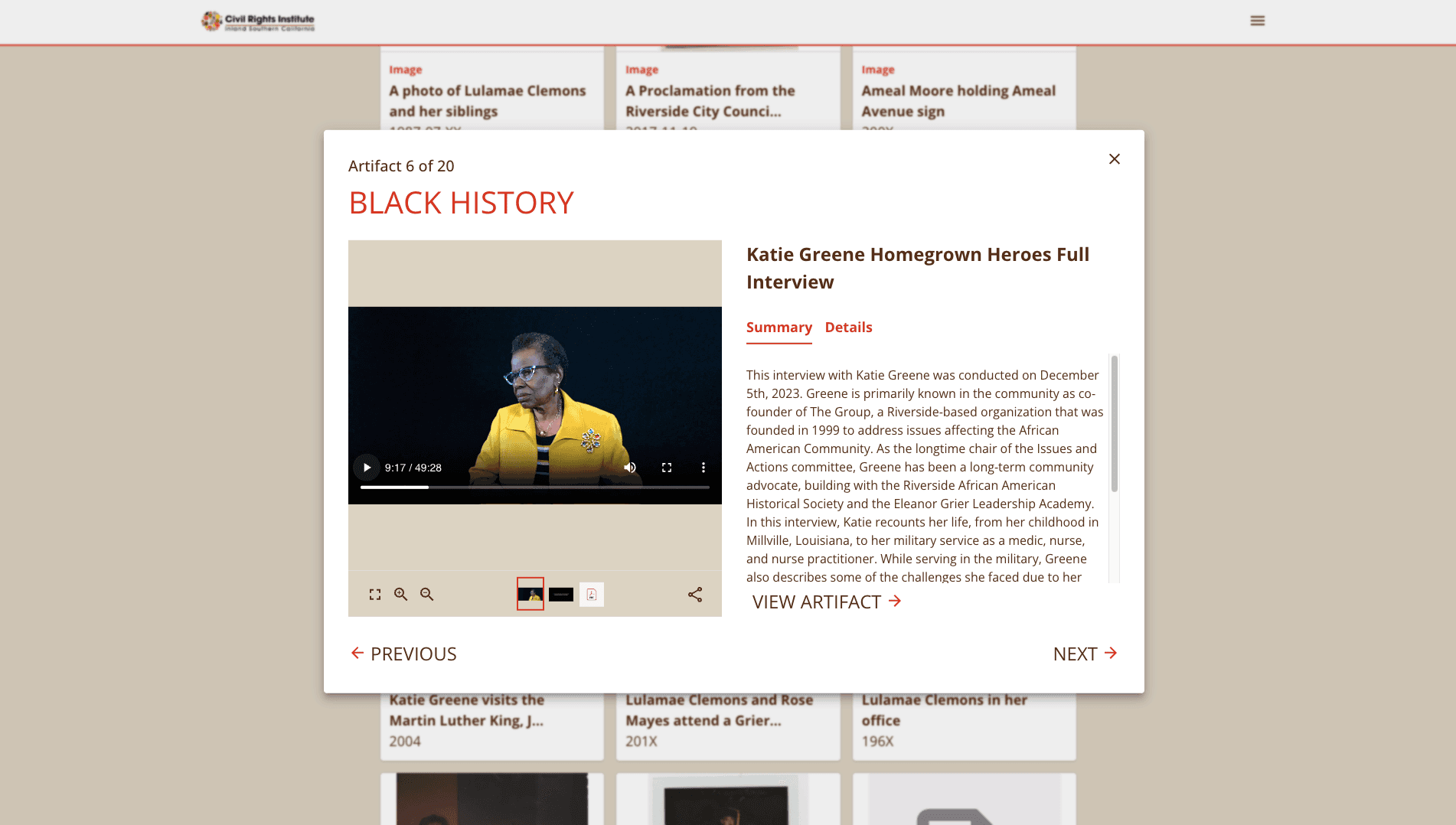
Digital Archive record for Katie Greene's full Homegrown Heroes interview from the Black History collection.
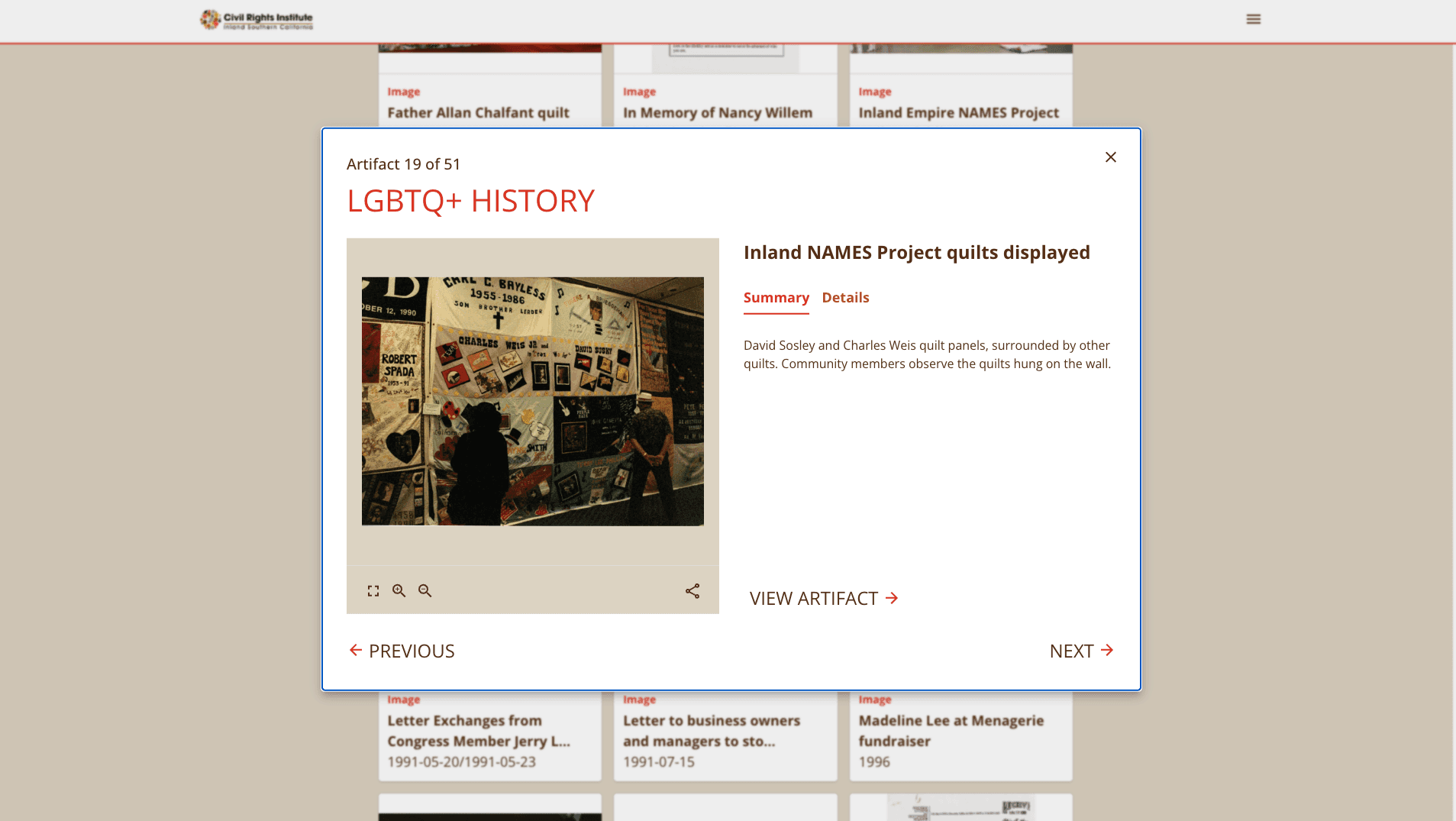
Inland NAMES Project quilts displayed record from the LGBTQ+ History collection in the Digital Archive.
“Our main goal is: we want to use all of these digital assets in exhibits, in programming, in lesson plans. But then also share them, so that other people can do the same.”
Audrey Maier, PhD
Public History Director
Outcomes
Digital archives that lives up to the promise
The transition from spreadsheets to a purpose-built platform was “pretty smooth” for The Civil Rights Institute. “Terentia is a very user-friendly system overall,” Audrey relays. “It’s the perfect fit for us as a small organization.”
Terentia’s impact is felt on both sides of the archive: by the team managing it, and by the community it serves.
For the internal team:
A single source of truth for digital assets, collections, and web publishing
Built-in digital preservation replaces managing and manually mirroring external hard drives
Easy to share digital assets across the team and uphold their proper usage, thanks to granular user permissions
Streamlined exhibition workflows, simple to pull and share files
A bespoke emergency preparedness system, where loans are ranked from 1-5 by salvage priority in Terentia, is now part of the intake processing
For the community and broader public:
A searchable digital archive with 640+ records, surfacing the Black history, LGBTQ+ history, and Homegrown Heroes of Riverside and San Bernardino Counties
60+ oral history interviews available online

Dr. Audrey Maier interviewing Greg Cuelar and Raymond Hernandez for the Out in the IE exhibition and oral history project. Credit: The Civil Rights Institute of Inland Southern California.
Future
Making civil rights history accessible to all
With their Digital Archive live, the team is focused on what comes next: expanding access to the collections and deepening their educational value.
Deliver inclusive access
Accessibility is central to The Civil Rights Institute’s mission. Within their online collections, staff plan to add captions, visual descriptions, and ASL interpretation to better serve the disabled and Deaf communities in Riverside.
Become an educational hub
“We really want to grow our capacity as a hub for educational resources,” says Audrey. For each exhibition, the intent is to create an accompanying packet of learning materials, published in a searchable hub for teachers and students.
As The Civil Rights Institute’s objectives grow, so does the role Terentia plays in supporting them. With Terentia, this small team is doing the work of a much larger institution, delivering valuable access to once hidden histories.
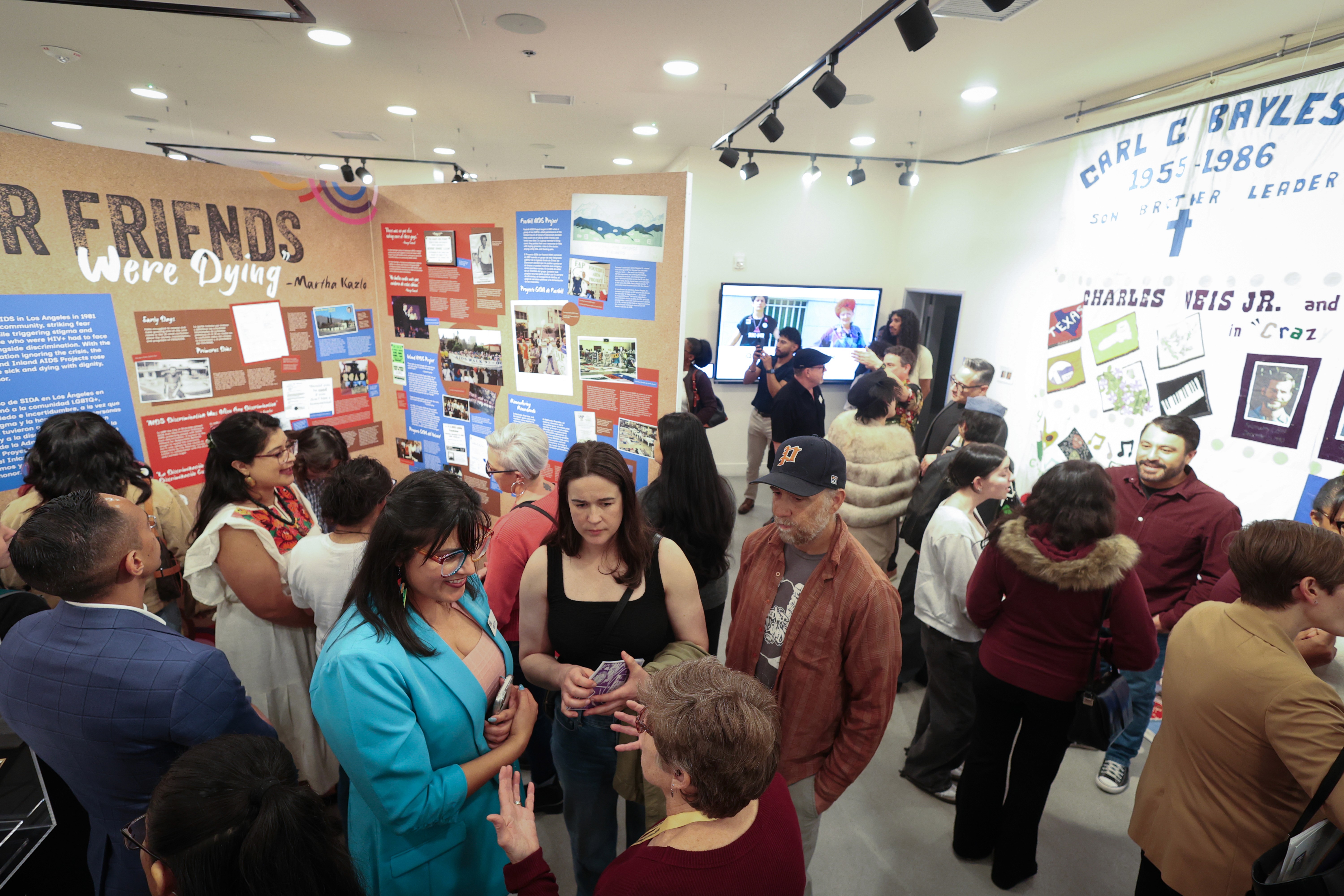
The Civil Rights Institute's sixth exhibition Out in the IE. Credit: Carlos Puma.
“The community has given and entrusted us with so many lovely things, and trusted us when we said, ‘It's going to go on this digital archive that you can't see yet.’ To actually be able to share it with them has been the most special.”
Audrey Maier, PhD
Public History Director
Key takeaways
A single platform now manages 2,295 digital assets and 1,129 object records for this lean team of full-time staff, interns, and volunteers.
Launched a digital archive in under a year, going live with 640+ searchable records and 60+ oral histories.
Digital preservation and public access work together in one secure system, home to the full growing archive.
Fulfilling your mandate is about to get easier
What once required a towering tech stack and a team of specialists is now possible with just one platform. Find out how Terentia can work for your mission-driven organization.